Ceramic vs Stainless Steel Cookware: How to Pick the Right One

Standing in the cookware aisle, you’re probably asking yourself the same question thousands of home cooks ask every year: ceramic vs stainless steel cookware, which one actually deserves a spot on your stove?

Both have loyal fans, both show up in nearly every kitchen store, and both promise to make your cooking life easier. The real answer depends on how you cook, what you’re cooking, and how much maintenance you’re willing to put up with.

What Makes These Two Materials So Different

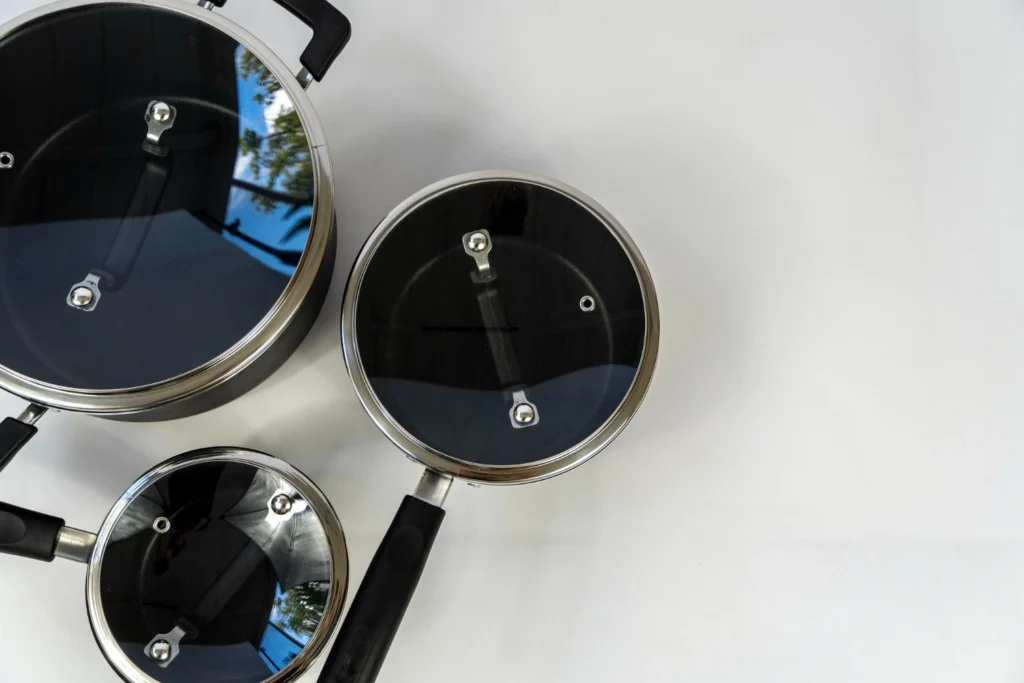
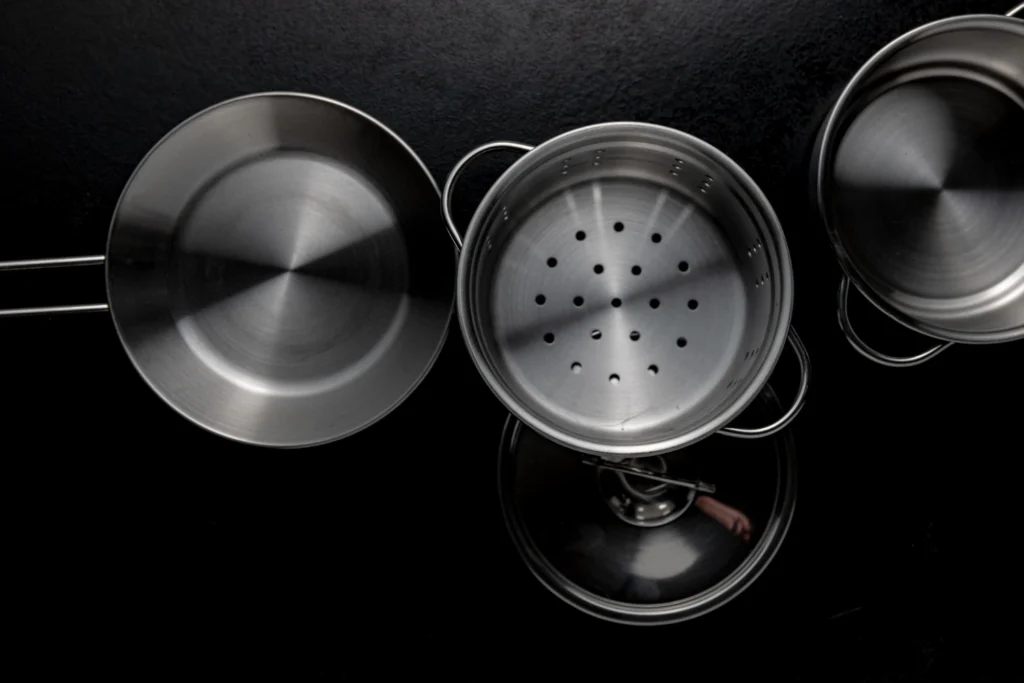
Ceramic cookware usually means a metal base, often aluminum, coated in a ceramic-based nonstick layer. Stainless steel is the metal itself, sometimes with an aluminum or copper core sandwiched in the middle for better heat distribution.

That structural difference drives almost every other difference you’ll notice, from how food releases off the surface to how long the pan lasts in your rotation.

Breaking Down the Key Differences

Heat Performance

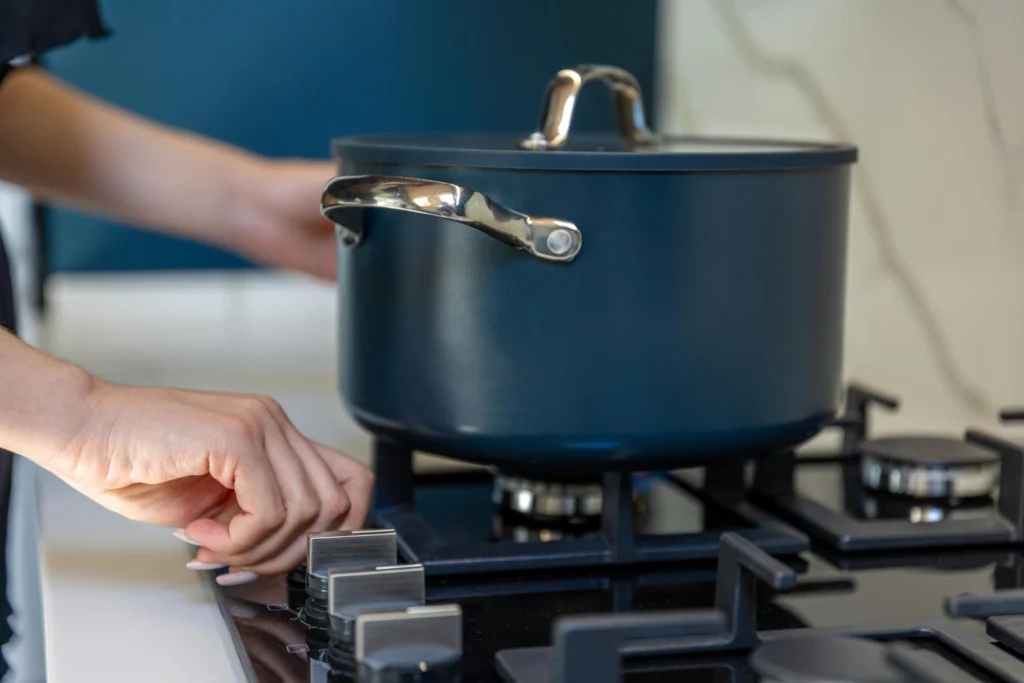
Stainless steel handles high heat like a champion, so you can sear a steak or get a proper crust on your vegetables without worrying about damaging the surface.

Ceramic coatings are more sensitive. Crank the heat too high too often and you’ll shorten the coating’s lifespan, sometimes within a year or two.

Nonstick Ability

Ceramic wins here, at least when it’s new. Eggs, pancakes, and fish slide right off without needing much oil.

Stainless steel isn’t naturally nonstick, so you’ll need a good preheat and enough fat in the pan to avoid sticking, especially with delicate foods.

Durability and Longevity

This is where stainless steel pulls ahead. A well-made stainless pan can last decades, resist scratches, and go in the dishwasher without a second thought.

Ceramic coatings degrade over time no matter how careful you are, and most home cooks replace ceramic pans every one to three years.

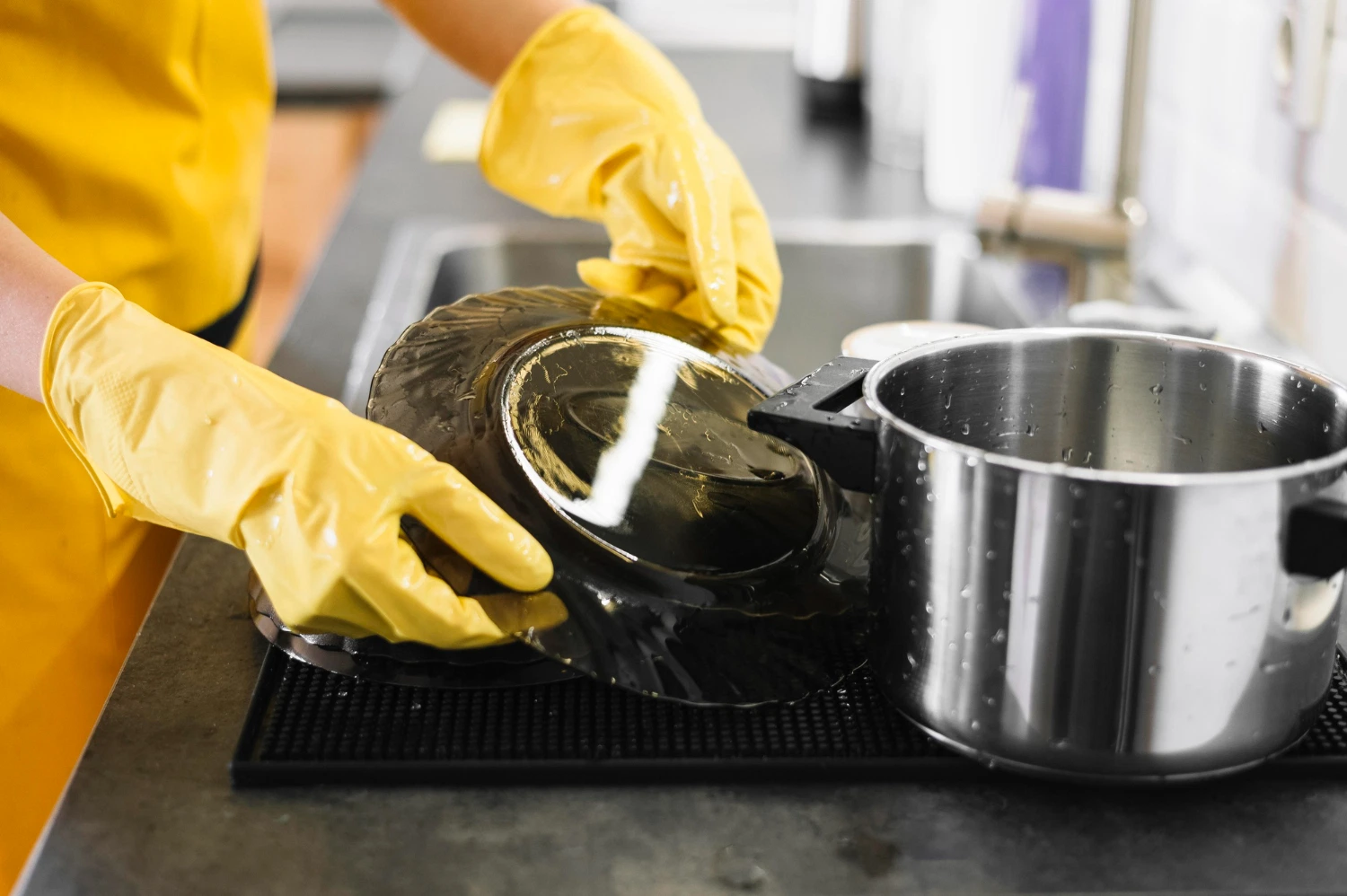
Stainless steel is nearly indestructible when it comes to cleaning. You can scrub it with steel wool if needed and it won’t complain.

Ceramic needs a gentler touch. Skip the metal utensils, avoid abrasive sponges, and hand wash it whenever you can to protect that coating.

Both materials are safe to hand wash daily, but ceramic punishes shortcuts far more than stainless steel does.

Stick to wooden or silicone utensils on ceramic surfaces if you want the coating to last past its first year.

Health and Safety Considerations

Ceramic coatings are typically free of PTFE and PFOA, which matters if you’re trying to avoid the chemicals found in traditional nonstick coatings.

Stainless steel is naturally inert and doesn’t rely on any coating at all, so there’s nothing to wear off or flake into your food over time.

If a ceramic pan’s surface gets scratched or worn, replace it. A damaged coating can affect both performance and how evenly your food cooks.

Neither material poses a known health risk when it’s in good condition, so your choice really comes down to how you cook and how well you maintain your cookware.

Price and Long-Term Value

Ceramic cookware often costs less upfront, which makes it tempting if you’re stocking a kitchen on a budget.

But because ceramic wears out faster, you may end up replacing it more often, and those replacement costs add up over a few years.

Stainless steel costs more at the register but rewards you with a pan that can genuinely last a lifetime with basic care.

If you cook often and want fewer trips back to the store, stainless steel usually pays for itself.

There’s no universal winner in the ceramic vs stainless steel cookware debate, only the right pan for how you actually cook.

Pick ceramic if you want easy cleanup, lighter meals, and don’t mind replacing pans every couple of years.

Pick stainless steel if you sear, cook at high heat, or want cookware that will still be working for you a decade from now.

Many well-stocked kitchens use both, leaning on ceramic for eggs and delicate dishes while trusting stainless steel for everything that needs real heat.